How to Install Solar Panels in Your Van
How to Install Solar Panels in Your Campervan Published: May 20, 2026 · Tutorial · 10 min read Solar panels are the single most important addition to any...
# How to Install Solar Panels in Your Campervan
*Published: May 20, 2026 · Tutorial · 10 min read*
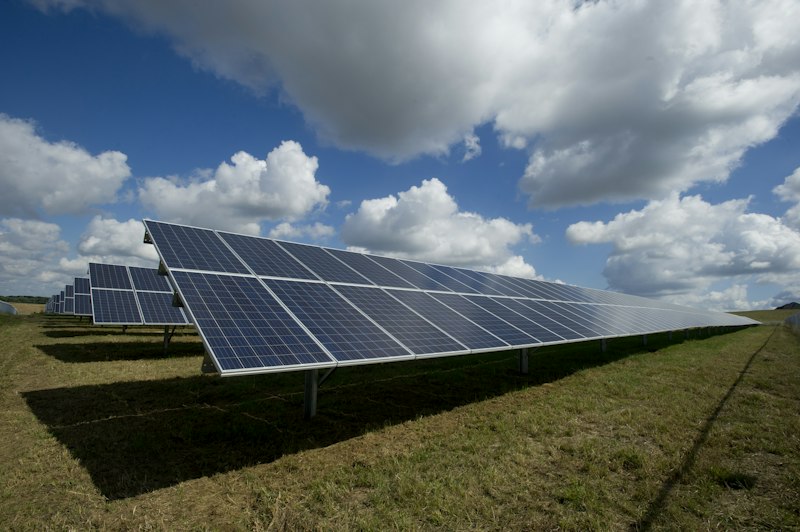
Solar panels are the single most important addition to any off-grid van life setup. They keep your batteries charged, power your devices, and let you boondock in peace — even in the UK's famously cloudy weather.
This guide reviews the best solar panels available on Amazon UK, from rigid panels you bolt to the roof to flexible, foldable options for temporary setups.
## What You'll Need
### Choosing Solar Panels for the UK
**Wattage:** 100W is the minimum for UK use. 200W+ is recommended for full-time living. The UK averages 3–4 peak sun hours in winter, 6–7 in summer.
**Panel Type:** Rigid mono crystalline (most efficient, permanent), flexible (lightweight, adhesive-mount), or foldable/portable (temporary).
**Efficiency:** Look for 22%+ efficiency. Monocrystalline PERC cells deliver the best UK performance.
**IP Rating:** IP65 minimum for UK weather. IP68 for full waterproofing.
## Step by Step
### Solar Panel Installation Guide
1. **Calculate your needs.** 100W panel ≈ 300Wh/day in UK summer, 150Wh in winter.
2. **Choose mounting.** Roof (permanent), grab handle (temporary), or roof rack.
3. **Run cabling.** Use 4mm² solar cable with MC4 connectors.
4. **Mount the panel.** Use silicon sealant and mounting bolts.
5. **Connect to charge controller.** MPPT preferred over PWM.
6. **Test output.** Should read 18V+ open-circuit on a sunny day.
## Final Thoughts
### Top Pick: Victron BlueSolar 200W
**Pros:**
- 22% efficiency — excellent for UK
- IP65 rated for rain
- 25-year warranty
- Proven brand in the UK
- Excellent price at £129.99
**Cons:**
- Requires roof mounting
- Heavy (14kg)
- No carry handles
### Best Portable: And power 100W Foldable
**Pros:**
- Foldable for transport
- 23% efficient
- IPX4 splash-proof
- Great for tent-camping trips
**Cons:**
- Less durable than rigid
- Can blow away if not secured